- grainyjpegs
- Posts
- Leica M8 - A retrospective
Leica M8 - A retrospective
a review... of sorts

Peter Nguyen
January 16, 2026
Hello friends,
There's one camera that I have had a short fling with... And I never really got to sit down and talk about.
Yep, you read the title.
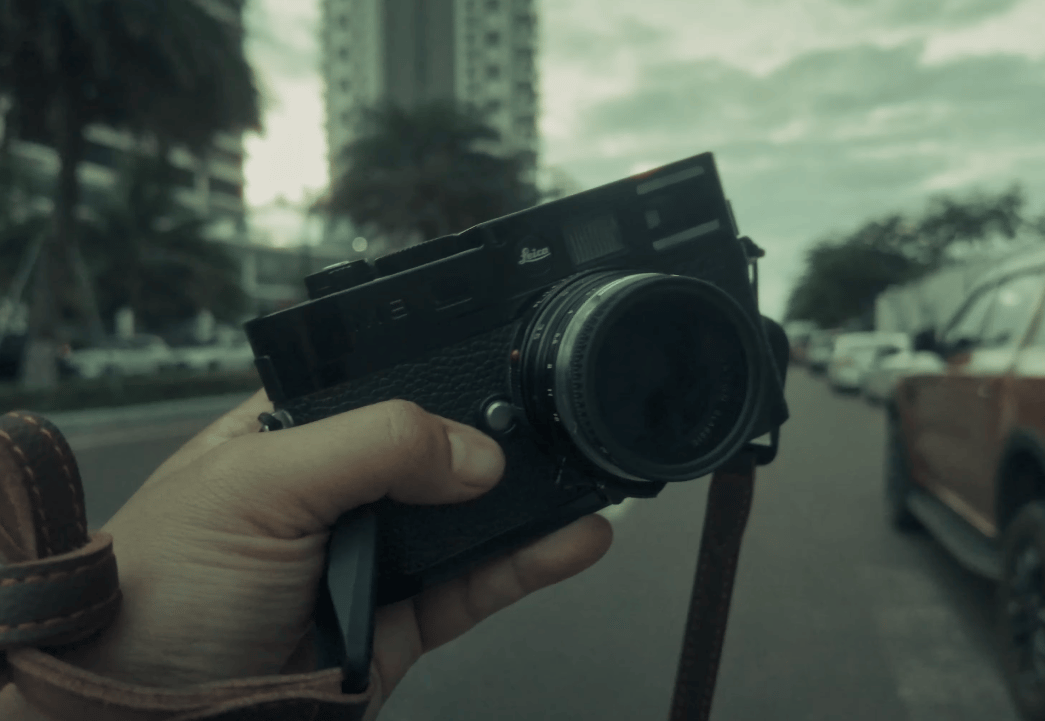
The Leica M8
I owned the M8 for maybe around 4 months in 2025.
I guess I talked about it a little bit on this video that I've made, but I never really got to sort out all my thoughts.
I realized that when I sat down and looked back at my photos of 2025. It's the camera that bridged my way back from film to digital. Some of my favorite photos ever are taken with this camera. And now that I don't own it anymore, I kinda miss it, lol.
Funny how my brain never really appreciates what I have in the moment. It always look either to the next thing, or the thing I don't have anymore. I mean what's up with that? Is that just me or that's how the human brain works?
I guess I had good reasons to part way with the camera in the end. And I'll go into all the details below. If money is no object, I'd definitely keep it forever, but I guess that's not how things work.
So... yeah.
Let's get started.

One of my best photos of 2025, taken with the M8
The good
Sensor
So this is pretty much ancient knowledge at this point. 10.3 megapixels Kodak CCD sensor magic. Grain-like noise pattern. Kodachrome(ish) color science. Et cetera et cetera. I assume you know about all that, but here's a video from Ali/One Month Two Cameras that went into all of that.
Was there any magic in my opinion?

Yeah... definitely something in there.
I was always very happy with how the RAW files look straight out of the camera, and I never feel any need to spend hours edit my photos. Usually just tweaks to the contrast. Maybe lift the shadows. Probably shift the white balance to warm green at day and blue green at night, because that's how I like all my photos to feel, and that's about it. Maybe I'll apply a split toning profile if I feel really fancy, but even that feels overkill sometimes.
The files are definitely a lot less flexible than modern RAW files. You either like the look or you don't. I feel like applying a bunch of color presets or changing all the HSL sliders is just missing the point. And I guess that's ultimately what drove me apart from this camera. I like my photos to be a lot more stylized, and this camera won't give me that.
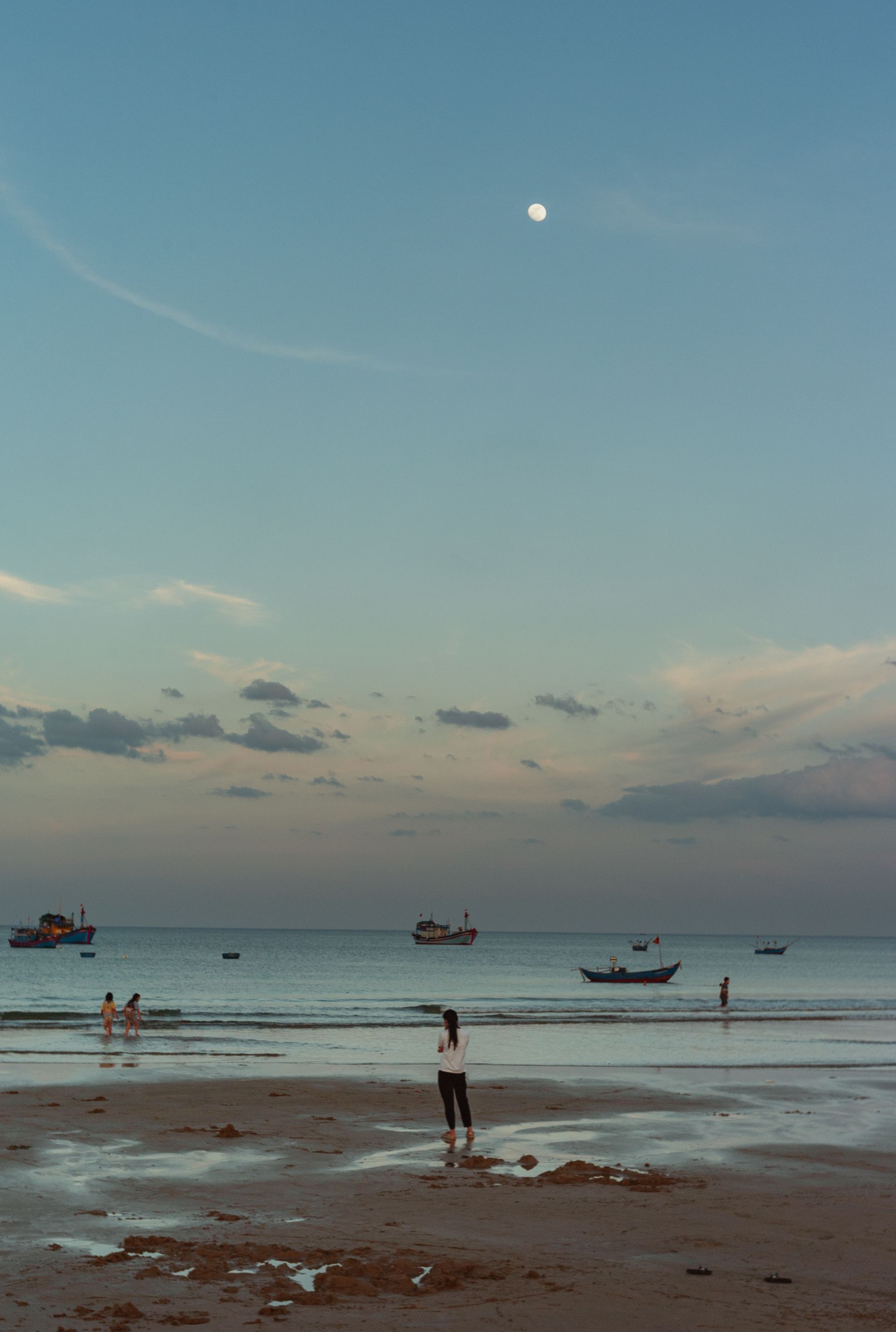
Blue hour is actually the sweet spot of this camera imo, when the contrast level is lower.
Lenses
So this is probably common knowledge by now too but in general M mount lenses are very highly regarded. Voigtlander, Zeiss and Leica are definitely the top dog in lens design and manufacturing. You can obviously use those lenses on any full frame cameras, but the manual focus experience on the M system are just infinitely better than any peaking + magnification combo will ever get you.
Now the lens situation for the Leica M8 is not ideal for sure. It's not a full frame camera. It's an APS-H with a 1.33x crop. Which means it crops into the lens quite a bit. If you shoot wide angle lenses there aren't going to be a lot of options, and you won't get a full characteristic of a lens either.
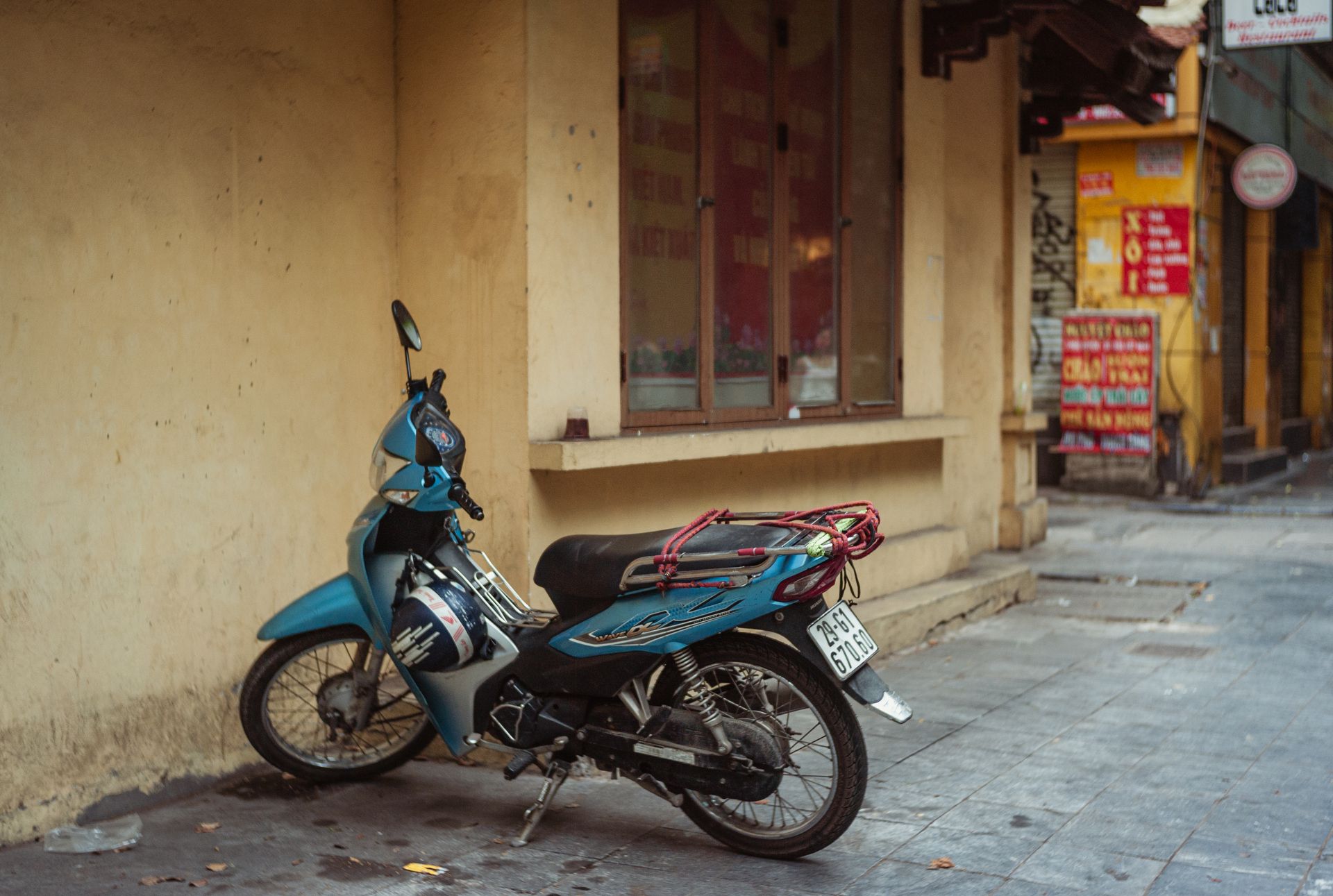
One of my first photos with the M8 and I’m stunted by how good the color looks and how much 3d pop the Voigtlander 35mm possesses
The other thing is you need IR cut filters for all your lenses, because the M8 doesn't have IR filter glass for its sensor. There's a pro to this which I'll get into later, hold that thought. But it's just quite annoying to have to take that into account for a lens purchase considerations.
I came up with a system for my lens choice. I have 4, all Voigtlander lenses for my M8. The 21mm f4, which I didn't know is not actually optimized for digital sensors, so that gave me a bunch of stupid green vignette that are extremely hard to correct… so I ended up never really using that lens (get the 21mm f3.5 instead, or one of the faster ones). I also got the 28mm f2 Ultron, the 35mm f1.4 Nokton and the 50mm f1.5 Nokton.
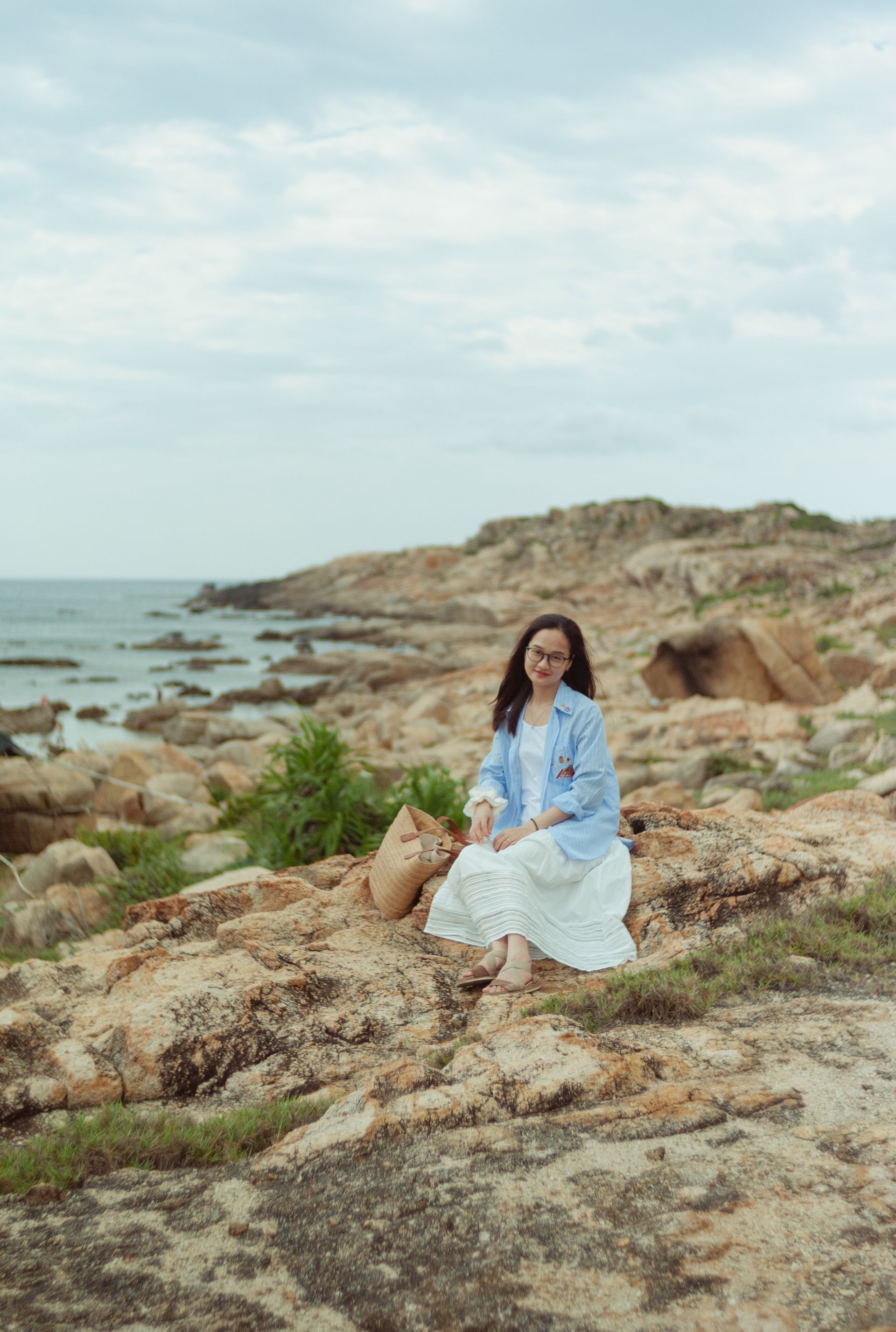
The rendering is just so good
Those came out to something like a 28, 36, 47 and 66 in ff equivalent. And then all those lenses either have 39mm or 43mm filter diameter. I just have all those stepped up to 43mm, and then I have 2 IR cut filters of that size for all my lenses. For someone in the US or something with easy access to these filters, it's not really a big deal to even get one filter for each lens, but in my country it's not even really possible to buy the filters at all, and so a lot of planning went into this.
Funnily enough, I don't really use the 50 either, so I could just have had the 28 and the 35 and that would be all I ever needed.

Also another test shot with the Voigtlander 35mm. This lens is also very affordable at around 300 bucks. Crazy.
Anyways, in the real world, the Voigtlander lenses combined with this sensor gave me beautiful, sharp but not clinical photos with gorgeous 3d renderings in the right conditions. It's very remarkable, really. I’m sure Zeiss and Leica might make better lenses, but Voigtlander lenses are extremely nice to my eyes nevertheless.
Weight and size
M mount Leicas are quite light in general. But the real weight savings are in the lenses. Ditching autofocus just helps with the weight and size a lot, and being able to get tiny f1.4 primes are quite astonishing. I think the GFX50sII body I have right now is more heavy than my whole Leica setup. Weight and size does link directly to your enjoyment of the process, so it cannot be understated. Now my neck and my shoulder just kinda hates me 🤷

A vintage car in Hanoi
Infrared photography
This camera can be nice if you're into shooting infrared photography. I got a cheap Chinese variable IR pass filter to experiment, but it's not without flaws. You can probably get the Kolari Vision filters or Hoya filters if you're really into this.
If you don't care about IR photography, maybe just skip these paragraphs below, but here are my findings.

If you like to experiment with color infrared, you probably need something like a 650nm filter, as with 550nm the IR is not quite strong enough and the look feels muddy. The look is not exactly Aerochrome, but it's a cool look on its own. I ended up feeling it's too gimmicky for my taste.
If you shoot black and white infrared, aside from filters, you need a lens with IR focus markings, as true IR light focus on a different plane, which is kinda mind blowing to me. B&W infrared I can actually get behind though, and I do love the look.

My lens doesn’t have IR markings, so I just guessed focus on most photos, which is not very accurate when you’re shooting at f2 most of the time
In either case, you need a lens that doesn't have IR hotspots. Or you will get some red blobs/glows on the photos. The rule of thumb is if a lens has IR markings, it's probably optimized for IR photography. I also feel like my Voigtlander 28mm f2 doesn't have hotspots, but take that with a grain of salt.

This was the 35mm f1.4. You see the red IR glow in the middle? And that’s already me tried to correct it out a bit.
If you shoot B&W infrared you also kinda have to jack the ISO to 2500, or use a tripod. 2500 ISO is very grainy, but it has some of that grainy film vibe and I do love it.
I guess that brings me to the next point
The grain-like noise pattern
I do feel like there is something special with the noise pattern of this camera as others have stated. I love shooting color at 640 ISO and black and white at 2500 ISO, and I think the results have great texture. Many of the color photos shown here were shot on 640 ISO.

This was 2500 ISO. I think the “grain” was bang on and gave this very nice look
Film-like Experience
This is also another aspect that makes Leica cameras so much fun. You really do get a film-like experience, because rangefinder is really film cameras technology. The M8's screen is also kinda shit that you get the bonus of not knowing what you're gonna have until you get home, and then you get a file that kinda already has a look that you can tweak slightly, which is pretty much exactly the film experience. I wish it has an iso dial though, but it's not too bad to go in the menus for that.
The tingling feeling of using a Leica M body
Yes, this is "important", right. It's not just the film like experience. But also the build and craftsmanship and the tactility of the camera. The camera feels very good in the hand, and it really inspire you to go shoot more, is what I'm trying to say I guess.
The neither here or there
Night photography
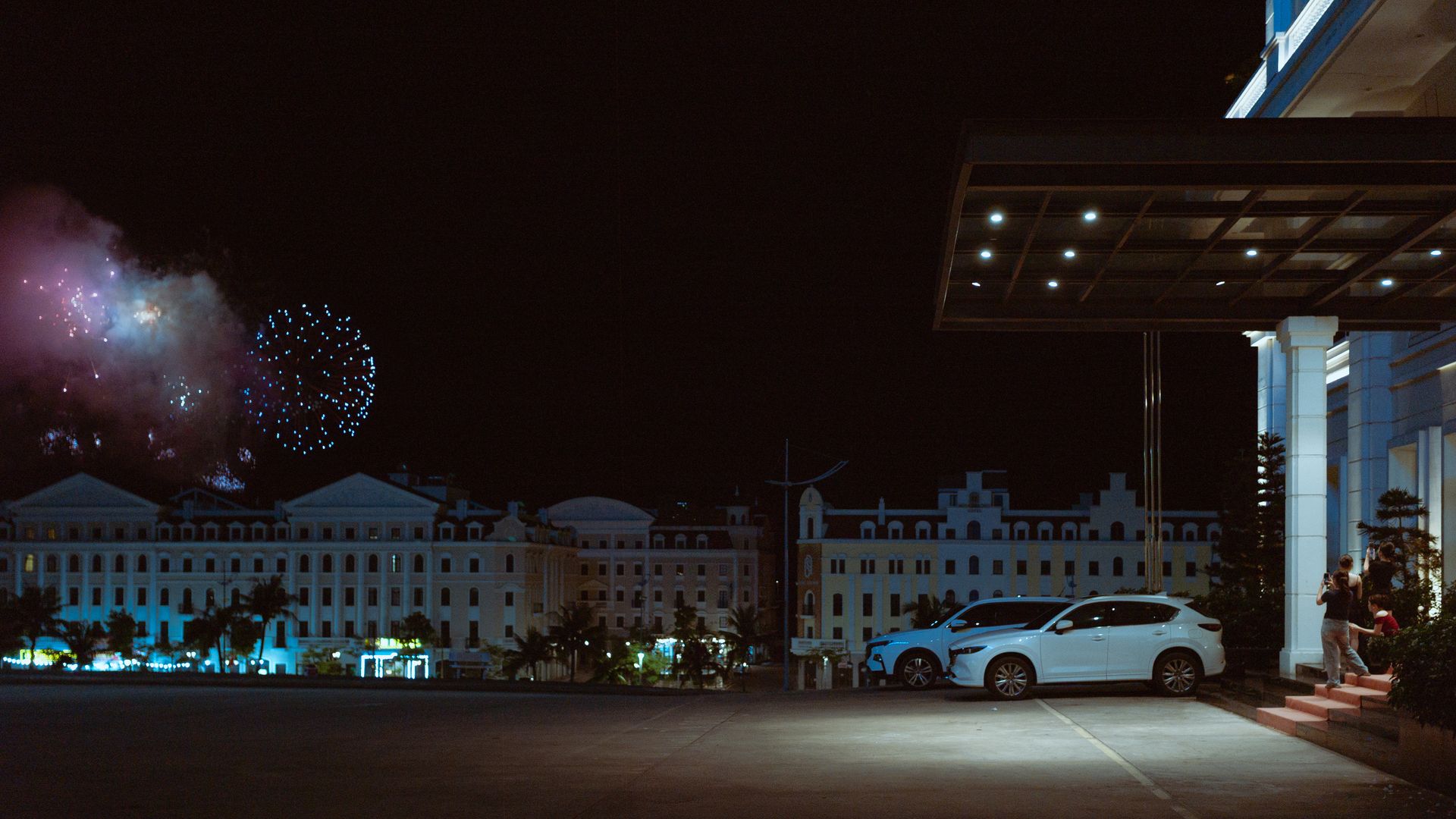
If you shoot where the lights are, you’ll be fine for the most part
It's... fine. 640 ISO and a fast f2 lens get you very far as film shooters probably know. It's not quite enough to shoot handheld in very dim situations, but there's always 2500 ISO black and white. It's just something you have to know whether you'd really need. You're probably not doing any astrophotography with this camera is all I'll say.
The lack of in sensor IR filters
I have laid out the pros and the cons above, so yeah, this is just a recap.
Resolution
It's... fine, also, if you don't crop. 10 megapixels is more than most people will ever need. Especially for social media. 7mp is roughly the effective resolution of a 35mm film print anyways. And the photos are extremely pleasing and beautiful.

16:9 is the longest I’m will to crop with this camera. Oh and for black and white naturally we can probably crop in a bit further
But they kinda loses their magic once you crop in a bit further. I like cropping. I like a 4x3 aspect ratio (one of the reasons why I'm now a GFX owner). I like the xpan aspect ratio as well. If you crop, the photos get crappy fast.
I don't really have any telephoto lens for this camera either. It's not really a thing with M mount cameras. So being able to crop more would have been nice for the occasional telephoto shot you want to take
Focal length choice
This is the deal that comes with all M mount cameras really. You kinda have to be a prime shooter. Probably with a 28/35/50 prime. I've already laid out most of my thoughts with lenses, so there's not a lot to talk about here. With limited framelines, you're probably not shooting anything more telephoto than 85mm on a rangefinder, or probably anything wider than 28mm. You can, and I think there are accessories for wide angle lenses, but you probably won't. I really like 40mm these days for examples, and no modern Leica have that frameline still, so... yeah.

I like shooting around 40-50mm in general, so it actually worked out fine. The “wide” lens is a bit wider than 40 but not quite 35, and the “50” is not quite 50, but around like 47mm, which is a bit more versatile.
Battery life
It's not crazy battery life, but it's actually not bad. Better than the old Sonys I have even. The battery doesn't really drain until you half press the shutter, so you can just leave the camera on at all times. But the battery level is very inconsistent. And you have to bring chargers instead of just... charge via usb c or usb a like modern cameras.
It's a very... niche camera, in general
For a few style of photography, this camera is excellent at its job. But I still want to experiment. I still want to dip my toes in some niche genres. I want to do astro. I want to shoot panos with ultrawide lenses. I want to... shoot in some harsh weather conditions. And that's not really the camera's fault. It just... is. C'est la vie or something.

It does work great for like… 80% of what I’d like to shoot. If I were more minimalist or zen-like or whatevs I’d probably be completely fine, but I always have to look for the “next steps” and take my photos “to the next level” for some reasons
The ugly
Now comes the part that pains me the most. I really love this camera when it comes to the output image itself, but there are just... a lot of red flags with this relationship, and it's not something that I can just ignore, especially when it cost this much. Money doesn't grow on trees, and the fear that this camera will break someday is ultimate what ended up stopped me from enjoying this camera.
This sensor is just a dust magnet or something
There's so many f*#king dust particles getting to the sensor all the time. I guess it stems from the lack of weather sealings. Still, I blow dust out of the sensor every other day and I still needed to spend 10 years cloning out dust spots.

I still remember cloning out 10000 dust spots on photos with lots of sky like this one. I don’t miss that lifestyle.
The fragility of using an old, expensive camera with no weather sealing and no more warranty/support
It's a mouthful title, I know. There are just a lot of little things that worries me with this camera.
The framelines got stuck and wouldn't change when I expose the camera to hot weather conditions, which is literally Vietnam for half the time. If I have to guess, it's probably some mechanical parts that expanded/retracted by the heat. I was very scared the first time I got this problem, and one can say I never really recovered from that. I'm not buying a camera to just shoot in air conditioning rooms. More importantly, what if something else breaks and there’s no fix?

The lack of rainy/harsh weather photos taken on this camera aren’t a coincidence
On the software side, there are random bugs here and there as well. I don't remember exactly what now, but there was definitely some "kerfuffle". Old electronics stuff just don't really age well in general.
And again, the lack of weather sealing. The 20 years old mechanics/electronics that not many people are ready to fix. Combined with the fact that it cost as much as a new-ish modern/midrange camera these days, and I guess you can see my point. At one point I thought I love this camera so much that I'd buy it twice, but love is foolish and people change, I guess.
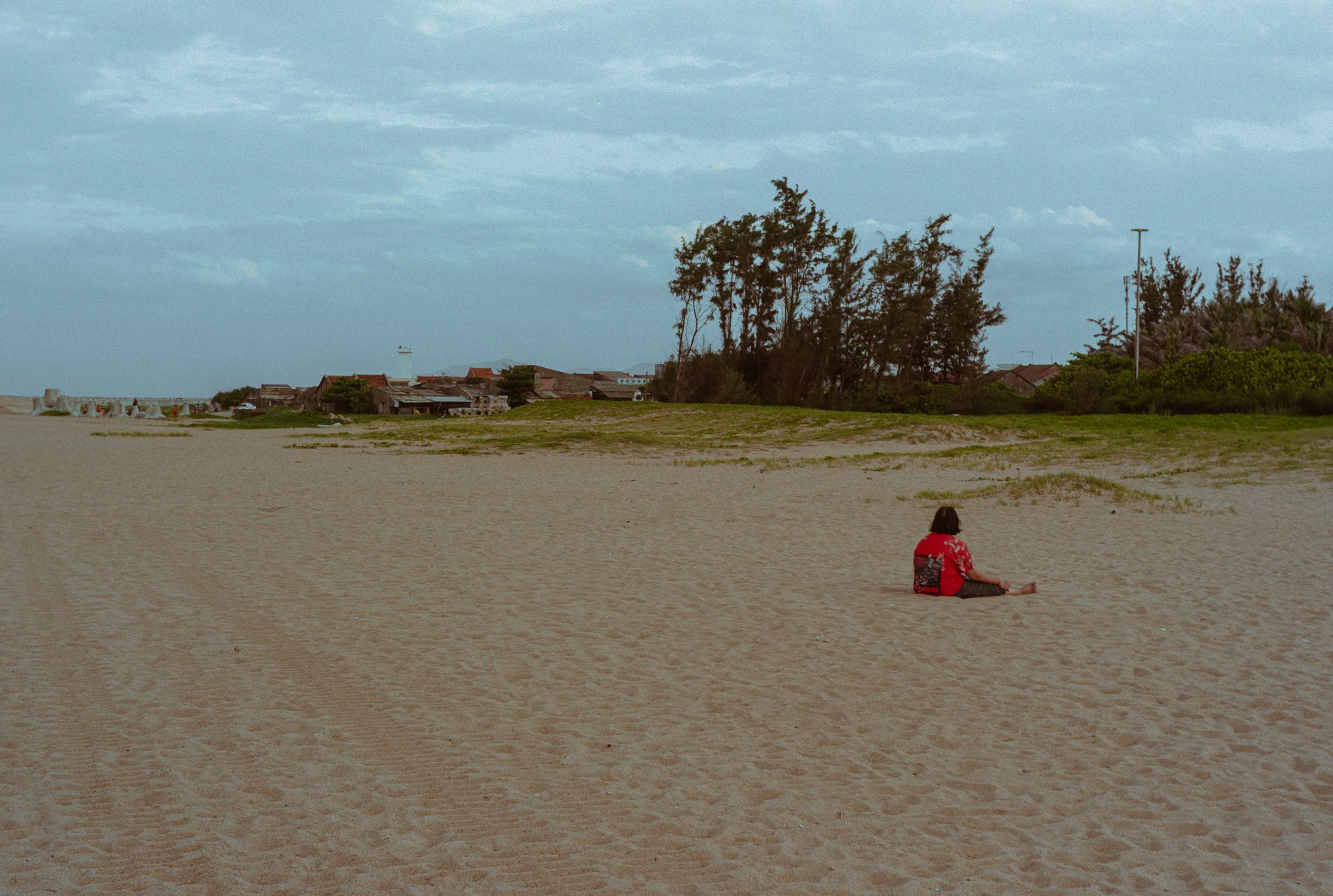
It is a very fun camera, top choice for me if you just want to shoot “film but you don’t actually burn a hole in your pocket every shot”
Verdict
So... yeah. I ended up selling the camera, for basically what I bought, which is a nice part of using Leicas (and also maybe concerning if you think about it). That concludes my story/review of the Leica M8.
It is a lovely camera. I do miss it time and time again. And the lenses I was able to pair the camera with. Some photos came out just magical.
And I can setup the camera like I set a film stock, either clean sunny 160 ISO color photos, or a bit more character 640 ISO color photos, or 2500 ISO sandpaper-grain black and whites, or infrared. I really committed to the look, and am not just doing some film sims switching shit that is reversible in post. It’s just very cool to be able to do that.
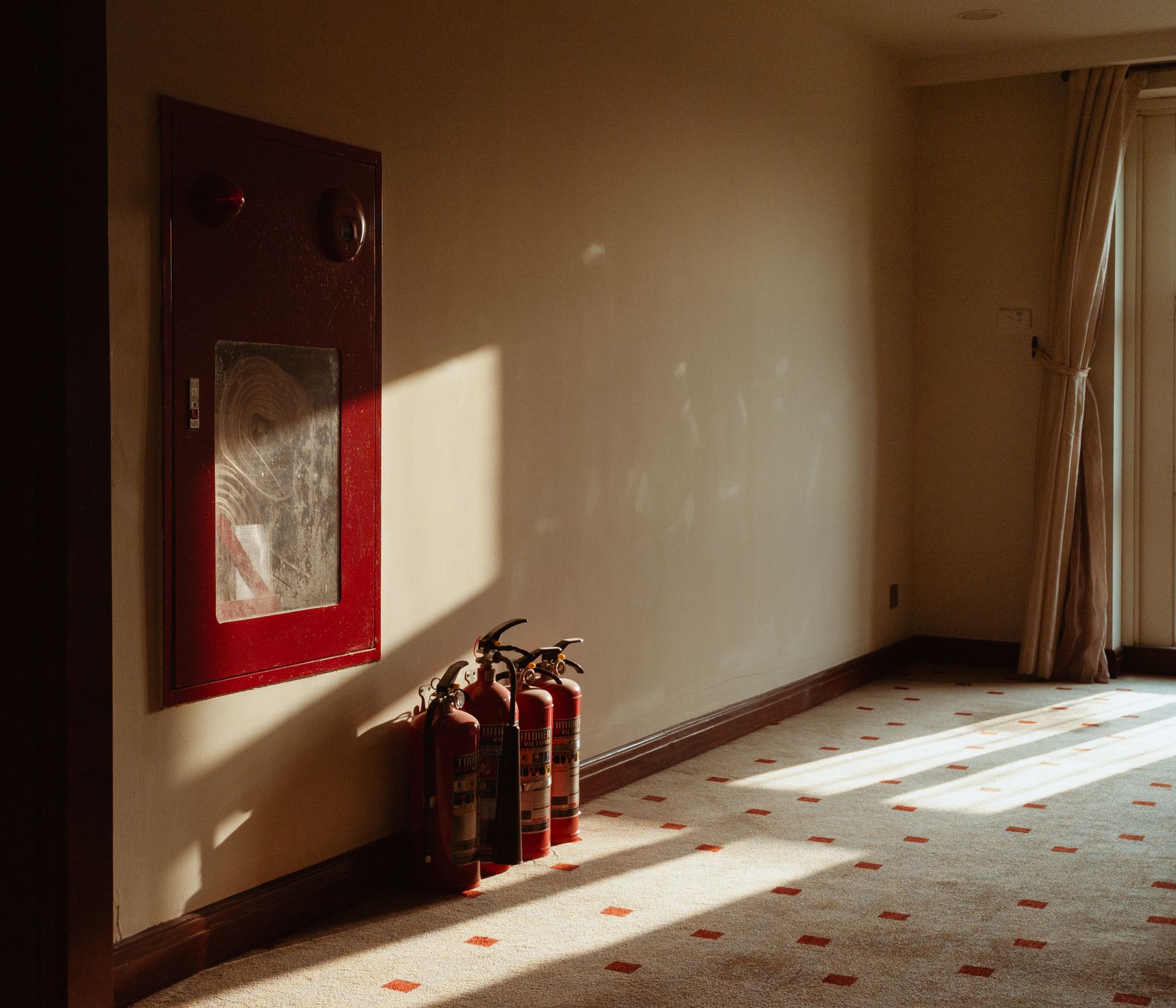
Some lights
I was going to say that cameras are just tools, but maybe that is not true. The Leica M8 is a lifestyle. One that I’m not ready to commit to.
In the end, I am also looking for more with my photos. I like my photos to be way more stylized. And If I'm editing photos from scratch, I might as well get a modern digital camera with all the bells and whistles. Stabilization, resolution, et cetera.
The M8 is a cult classic, for sure. And I'm happy I got to experience it. And so this post is my way to cherish the memories I have with it I guess.
Maybe when I'm older with bags of money and my back hates me, I'll go back to a Leica M. I do love the experience of using one.
But... yeah. I'm kinda rambling now.
Until next time,
Peter
P/s: I just made a new Youtube video as well, this time about adapted full frame lenses onto the gfx, so check that out if you’re interested 🙂 . Cheers
As always, subscribe to the newsletter to see more mediocre photos. Check out my Instagram. And my Youtube channel, obviously.
Many photos on this post are available on my print shop here

Disclaimer: Some links in the post might be affiliate links. You know the drill. Oh and please click them links. Costs you nothing and I’ll make a few cents here and there when you purchase anything from Amazon 🥲 .
Reply